The modern business world runs on technology. From smartphones and laptops to servers, networking equipment, and IoT devices, electronics are the backbone of operations across industries. Yet, the rapid pace of innovation means devices quickly become obsolete, leaving businesses with growing piles of electronic waste—or e-waste.
According to the Global E-Waste Monitor 2024, the world generated over 60 million metric tons of e-waste, with less than 20% being formally recycled. This staggering figure is not just an environmental concern but also a pressing business challenge. Companies face mounting regulatory, reputational, and financial risks if they ignore responsible e-waste management.
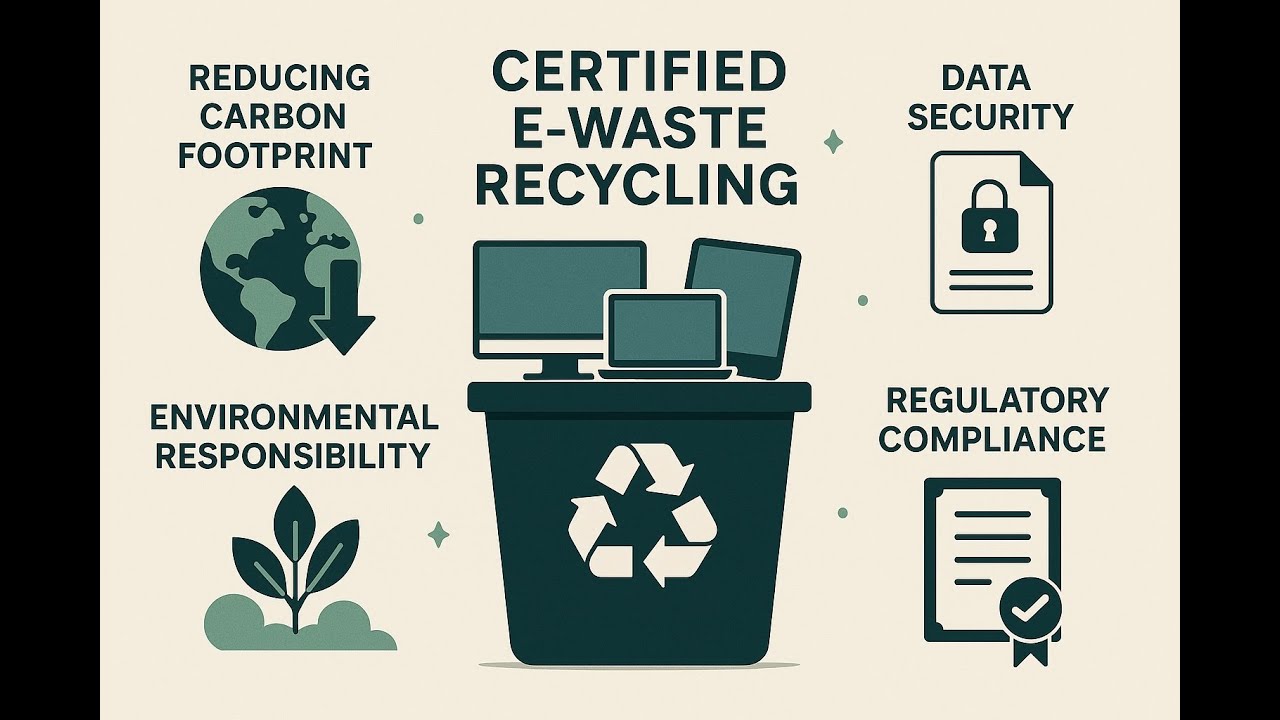
One effective solution lies in certified e-waste recycling, which ensures compliance, sustainability, and efficiency while helping companies reduce their carbon footprint. This blog explores the business case for adopting certified recycling programs, showing why it’s more than just an environmental responsibility—it’s a strategic advantage.
Understanding E-Waste and Its Impact
What is E-Waste?
E-waste refers to discarded electronic products and components, including computers, smartphones, printers, servers, monitors, and batteries. Unlike paper or plastics, electronic waste is complex—containing both valuable materials like gold, silver, and copper, and hazardous substances such as lead, mercury, and cadmium.
Environmental Consequences
When improperly disposed of, e-waste contaminates soil, water, and air. For instance:
-
Landfill leaching: Heavy metals seep into groundwater.
-
Air pollution: Burning plastics and metals releases toxic fumes.
-
Greenhouse gas emissions: Manufacturing new devices from raw materials consumes vast amounts of energy and resources.
The Carbon Footprint Connection
Carbon footprint refers to the total greenhouse gas emissions caused directly or indirectly by an activity or organization. Improper e-waste handling contributes to emissions in two ways:
-
Manufacturing replacement products from virgin materials, which requires high energy input.
-
Loss of recyclable materials, leading to further mining and resource extraction.
By ensuring devices are recycled through certified channels, businesses can conserve resources, reduce emissions, and demonstrate commitment to climate action.
Why Certified E-Waste Recycling Matters
Not all recycling programs are created equal. Certified e-waste recycling distinguishes itself through strict standards, traceability, and accountability. Certifications such as R2 (Responsible Recycling), e-Stewards, and ISO 14001:2015 ensure recyclers follow best practices in environmental and data security management.
Key Benefits of Certification
-
Environmental Integrity
Certified recyclers recover reusable materials responsibly, reducing the need for raw mining. This process conserves energy and decreases greenhouse gas emissions. -
Data Security Compliance
Electronic devices often store sensitive business data. Certified recyclers guarantee proper data destruction, protecting organizations from costly breaches. -
Regulatory Alignment
Businesses face stringent local, national, and international e-waste laws. Certified recyclers help ensure compliance with regulations such as the EU’s Waste Electrical and Electronic Equipment (WEEE) Directive or U.S. state-level mandates. -
Corporate Social Responsibility (CSR)
Consumers and investors increasingly evaluate companies on their sustainability practices. Certification demonstrates credibility, showing stakeholders that the company is serious about environmental stewardship.
The Business Case for Certified Recycling

1. Cost Savings and Resource Recovery
While certified recycling requires upfront investment, it generates financial returns. Businesses can benefit from:
-
Asset remarketing: Functional equipment can be refurbished and resold.
-
Material recovery: Precious metals and rare earth elements can be reclaimed.
-
Waste management savings: Proper recycling reduces long-term liabilities tied to improper disposal.
According to the UN, recovering just one million laptops can save energy equivalent to powering 3,500 U.S. homes for a year. That’s a direct reduction in carbon emissions and energy costs.
2. Risk Mitigation
Improper disposal can result in severe fines, lawsuits, and reputational damage. For example, companies caught exporting e-waste illegally face multimillion-dollar penalties. Certified recyclers provide documentation and audits, shielding businesses from compliance risks.
3. Enhancing Brand Reputation
Today’s consumers and employees favor companies that align with their values. A survey by Nielsen found that 66% of global consumers are willing to pay more for sustainable products and services. Publicly adopting certified e-waste recycling strengthens a company’s green credentials, making it more attractive to environmentally conscious customers and talent.
4. Supporting ESG Goals
Environmental, Social, and Governance (ESG) metrics have become vital for attracting investors. Responsible e-waste management directly contributes to the E in ESG, showcasing tangible efforts toward carbon reduction, resource efficiency, and environmental protection. Companies that demonstrate measurable progress often gain preferential treatment from investors and financial institutions.
How Certified E-Waste Recycling Reduces Carbon Footprint
Lifecycle Emissions Reduction
Every electronic device has a lifecycle—from raw material extraction to production, use, and disposal. Recycling through certified programs reduces lifecycle emissions in two ways:
-
Material substitution: Recycling replaces energy-intensive virgin material extraction.
-
Product lifespan extension: Refurbishing and reusing equipment delays the need for new production.
Energy Efficiency
Recycling aluminum saves 95% of the energy required to produce it from raw ore. Similarly, recycling copper saves about 85%, and plastics around 70%. Businesses that recycle electronics at scale significantly reduce their indirect emissions.
Circular Economy Integration
Certified recycling supports the circular economy, where products are kept in use longer, resources are reused, and waste is minimized. This shift away from the “take-make-dispose” model directly aligns with global carbon reduction targets.
Case Studies: Businesses Leading the Way
Tech Giants Setting Standards
-
Apple has implemented trade-in and recycling programs that reclaim valuable materials, including rare earth elements. Their “Daisy” robot disassembles iPhones to recover reusable parts, significantly cutting emissions associated with new mining.
-
Dell uses closed-loop plastics recycling to manufacture new computers, saving thousands of metric tons of CO₂ annually.
Small and Mid-Sized Businesses (SMBs)
It’s not just large corporations benefiting. SMBs that adopt certified recycling improve operational efficiency, reduce disposal costs, and attract environmentally minded clients. A marketing firm that partnered with a certified recycler reported saving nearly 30% in IT asset disposition costs while boosting its sustainability profile.
Practical Steps for Businesses
1. Audit Your E-Waste Stream
Identify all sources of electronic waste within your organization, from office equipment to data center hardware. Quantify volumes and assess current disposal practices.
2. Partner with Certified Recyclers
Choose vendors with recognized certifications like R2 or e-Stewards. Request documentation for compliance, data destruction, and material recovery processes.
3. Implement an Internal Policy
Develop company-wide guidelines for e-waste handling. Train employees on how to return devices for secure recycling rather than discarding them improperly.
4. Track and Report Progress
Measure the carbon footprint reduction achieved through recycling efforts. Incorporate these results into annual sustainability or ESG reports to demonstrate accountability.
5. Explore Circular IT Models
Consider leasing or device-as-a-service programs, where hardware is managed, refurbished, and recycled by providers, ensuring long-term sustainability.
Overcoming Common Challenges
Perceived Costs
Some companies hesitate, assuming certified recycling is too expensive. In reality, cost recovery from resale and material reclamation often offsets expenses. Additionally, avoiding fines and reputational harm saves far more in the long run.
Lack of Awareness
Employees may not understand the importance of certified recycling. Awareness campaigns and internal communications can highlight environmental and business benefits.
Vendor Greenwashing
Not all recyclers are equal—some may falsely claim environmentally friendly practices. Businesses must conduct due diligence, verifying certifications and requesting third-party audits.
The Future of E-Waste Recycling
Stricter Regulations
Governments worldwide are tightening e-waste laws. Businesses that adopt certified recycling early position themselves ahead of compliance requirements.
Technological Advancements
New innovations, such as AI-driven material sorting and advanced robotics, are improving recovery rates and lowering costs. Companies leveraging certified recyclers gain access to these innovations.
Global Collaboration
As supply chain sustainability becomes a priority, businesses will increasingly demand certified recycling partners to maintain responsible operations across borders.
Conclusion
Reducing carbon footprint is no longer optional for businesses—it’s a strategic necessity. Certified e-waste recycling provides a clear, measurable pathway to achieving sustainability goals while delivering financial, regulatory, and reputational benefits.
By adopting certified recycling practices, companies not only help protect the environment but also strengthen their competitive advantage in an increasingly eco-conscious marketplace. From cost savings and ESG alignment to customer loyalty and brand trust, the business case is undeniable: responsible e-waste management is good for the planet and good for business.