From Trash to Treasure: What Really Happens to E-Waste After Recycling?
Every year, the world produces an estimated 50 million metric tons of electronic waste (e-waste). From outdated smartphones and cracked laptops to old televisions and broken kitchen appliances, our devices don’t just disappear when we throw them away. Instead, they enter a complex and often surprising journey that determines whether they become a hazard—or a treasure.
In this blog, we’ll trace the fascinating path of e-waste after recycling, explore the hidden opportunities and risks, and uncover how your discarded gadget may find a new life.
The Growing E-Waste Problem
The digital revolution has brought convenience, connectivity, and innovation—but also an avalanche of discarded electronics. The average smartphone lifespan is now just 2–3 years, and laptops typically last 3–5 years before being replaced. This rapid turnover leads to mountains of waste, much of it containing toxic materials like lead, mercury, cadmium, and flame retardants.
But here’s the paradox: while e-waste is hazardous, it is also incredibly valuable. Electronic devices contain gold, silver, copper, platinum, and rare earth metals. In fact, the United Nations has called e-waste an “urban mine” because the amount of precious metals inside discarded electronics can rival, or even surpass, traditional ore mining.
Step 1: Collection – The First Stop in the Recycling Chain
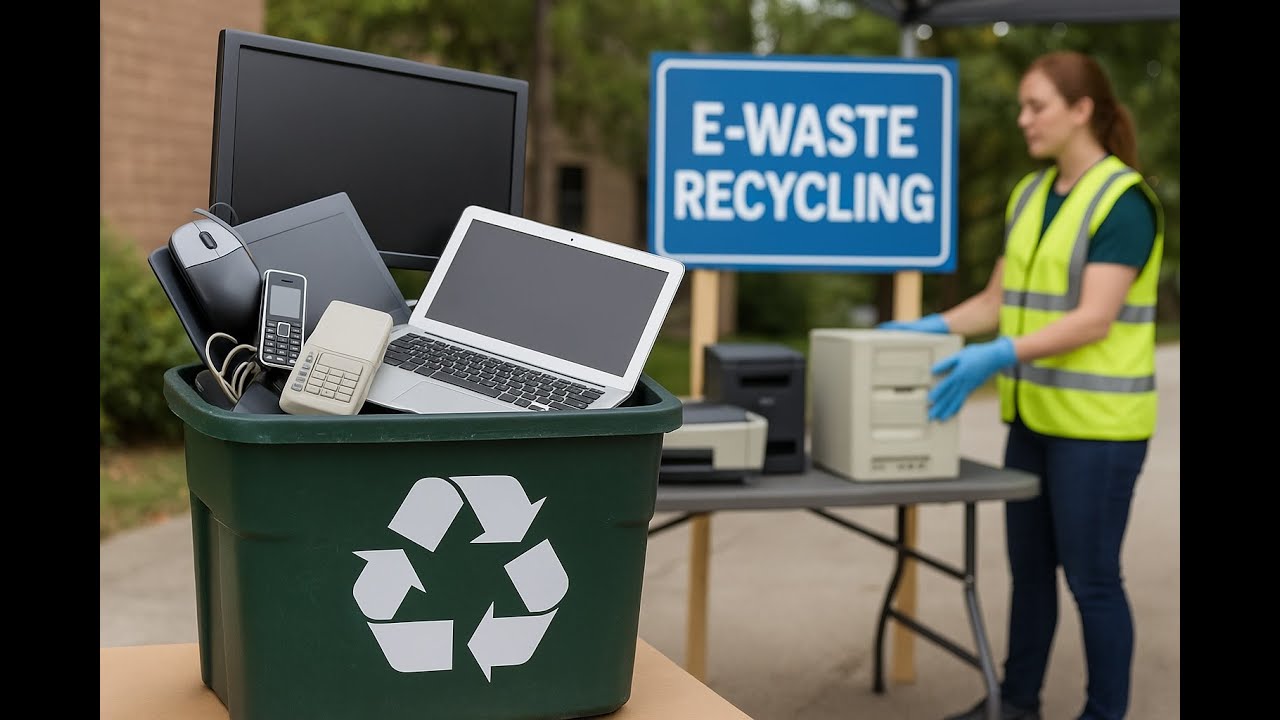
The journey of e-waste begins with collection. This can happen in several ways:
-
Drop-off bins and recycling centers: Many cities offer dedicated e-waste collection points.
-
Retailer take-back programs: Companies like Apple, Best Buy, and Dell encourage customers to return old electronics in exchange for discounts or trade-in credits.
-
Corporate collection drives: Businesses often recycle bulk quantities of equipment during upgrades.
Unfortunately, not all e-waste enters this system. According to the Global E-Waste Monitor, only 17.4% of e-waste was officially documented as properly collected and recycled in 2019. The rest often ends up in landfills, illegal exports, or informal recycling sectors.
Step 2: Sorting and Manual Dismantling
Once e-waste reaches a certified facility, it undergoes sorting. Trained workers (sometimes aided by automation) separate devices by type—computers, televisions, phones, appliances—because each category requires different treatment.
The next stage is manual dismantling. Skilled technicians carefully disassemble devices to remove components like:
-
Batteries (which require special handling due to fire risk).
-
Screens (especially older CRT monitors that contain leaded glass).
-
Circuit boards and chips (the most valuable parts due to precious metal content).
This stage is crucial because it maximizes recovery while minimizing contamination.
Step 3: Shredding and Mechanical Processing
After dismantling, what’s left of the e-waste often enters powerful shredders. This mechanical process breaks devices into tiny fragments. These fragments are then sorted using advanced techniques such as:
-
Magnetic separation (to pull out iron and steel).
-
Eddy current separation (to recover non-ferrous metals like aluminum and copper).
-
Water or air flow systems (to separate lighter plastics from heavier metals).
The result is a series of material streams: plastics, ferrous metals, non-ferrous metals, and residual waste. Each stream has a different fate.
Step 4: Chemical and Thermal Recovery
For high-value parts like circuit boards, recycling goes beyond shredding. Specialized facilities use pyrometallurgical (smelting) or hydrometallurgical (chemical leaching) techniques to extract precious metals.
-
Smelting: Boards are melted at extremely high temperatures, separating metals based on their density.
-
Leaching: Chemicals like cyanide or acid are used to dissolve metals, which are then recovered through electrolysis.
This process recovers gold, silver, palladium, and copper—critical for manufacturing new electronics. The downside is that if not done under strict environmental controls, these methods can release dangerous pollutants.
The Global Side of E-Waste: Exports and Informal Recycling
Here’s where things get complicated. Not all e-waste is recycled responsibly. Large amounts are exported from developed countries to regions in Africa, Asia, and South America. There, informal recyclers—often working without protective equipment—burn wires to extract copper or soak circuit boards in acid to recover gold.
While this provides income for local communities, it also creates toxic environments. Open burning releases dioxins and heavy metals into the air, while chemical runoff contaminates soil and water. Places like Agbogbloshie in Ghana and Guiyu in China have become infamous e-waste dumping grounds, with devastating health consequences for residents.
The Treasure: What Happens to Recovered Materials?
Despite the challenges, when e-waste is recycled responsibly, the results are impressive. The recovered materials re-enter the manufacturing chain:
-
Metals: Gold and silver are reused in electronics manufacturing, jewelry, and industrial applications. Copper and aluminum go into wiring, construction, and car parts.
-
Plastics: Sorted plastics can be recycled into new casings, park benches, or even clothing fibers.
-
Glass: CRT glass can sometimes be reused in new screens or construction materials.
This creates a circular economy where yesterday’s trash becomes tomorrow’s resource.
The Role of Refurbishment and Reuse
Not all e-waste is destined for shredders. A growing portion of electronics is being refurbished for resale or donation. This includes:
-
Refurbished laptops and smartphones resold at lower prices.
-
Donated equipment for schools, charities, or developing regions.
-
Component harvesting where parts like RAM, hard drives, or screens are salvaged and reused.
Refurbishment extends product life, reduces demand for raw materials, and lowers the carbon footprint compared to full recycling.
The Hidden Costs and Challenges of E-Waste Recycling
While recycling offers clear benefits, it’s not a perfect solution. Challenges include:
-
Economic viability – Precious metal recovery is expensive, and fluctuating commodity prices affect profitability.
-
Hazardous byproducts – Even responsible recycling produces waste that must be carefully managed.
-
Design issues – Many devices are not designed with recycling in mind, making dismantling difficult.
-
Illegal exports – Loopholes in regulations allow companies to label waste as “used goods” and ship them abroad.
These hurdles highlight the need for stronger regulation, better design, and consumer awareness.
The Future of E-Waste Recycling: Innovation and Responsibility
Emerging technologies and policies are reshaping the e-waste landscape:
-
Urban mining at scale: Advanced facilities now recover metals more efficiently than traditional mining.
-
Robotics and AI: Automated systems can dismantle electronics faster and safer than humans.
-
Eco-design: Companies are beginning to design products that are easier to repair, upgrade, and recycle.
-
Extended Producer Responsibility (EPR): Governments are holding manufacturers accountable for the end-of-life impact of their products.
These developments could turn e-waste from a crisis into an opportunity.
What You Can Do as a Consumer
The journey of e-waste doesn’t just depend on corporations and governments—it starts with each of us. Here’s how you can make a difference:
-
Repair before replacing – Consider fixing your device instead of buying new.
-
Donate or resell – Pass on working devices to those who need them.
-
Recycle responsibly – Use certified e-waste collection programs rather than tossing items in the trash.
-
Support sustainable brands – Choose companies committed to ethical recycling and eco-design.
-
Buy refurbished – Extend the lifecycle of electronics and save money.
Small actions multiplied by millions of consumers can dramatically shift the global e-waste story.
Conclusion: Turning Waste Into Wealth
E-waste represents both a growing environmental threat and a massive untapped resource. When recycled properly, it transforms from a toxic burden into a treasure trove of valuable materials that can fuel innovation and sustainability.
But the system only works when every link in the chain—consumers, companies, governments, and recyclers—plays their part. By rethinking our relationship with electronics and demanding better practices, we can ensure that our discarded devices don’t just pile up in toxic landfills but instead find new life in the circular economy.
From trash to treasure, the story of e-waste is still being written. And we all hold the pen.