In today’s fast-paced digital environment, organizations are under constant pressure to manage their IT infrastructure efficiently, securely, and sustainably. From procurement to deployment, maintenance, and eventual disposal, the lifecycle of hardware assets has become increasingly complex. Traditional approaches to IT asset management often involve fragmented processes, reactive decision-making, and inconsistent documentation, all of which introduce operational inefficiencies and security risks.
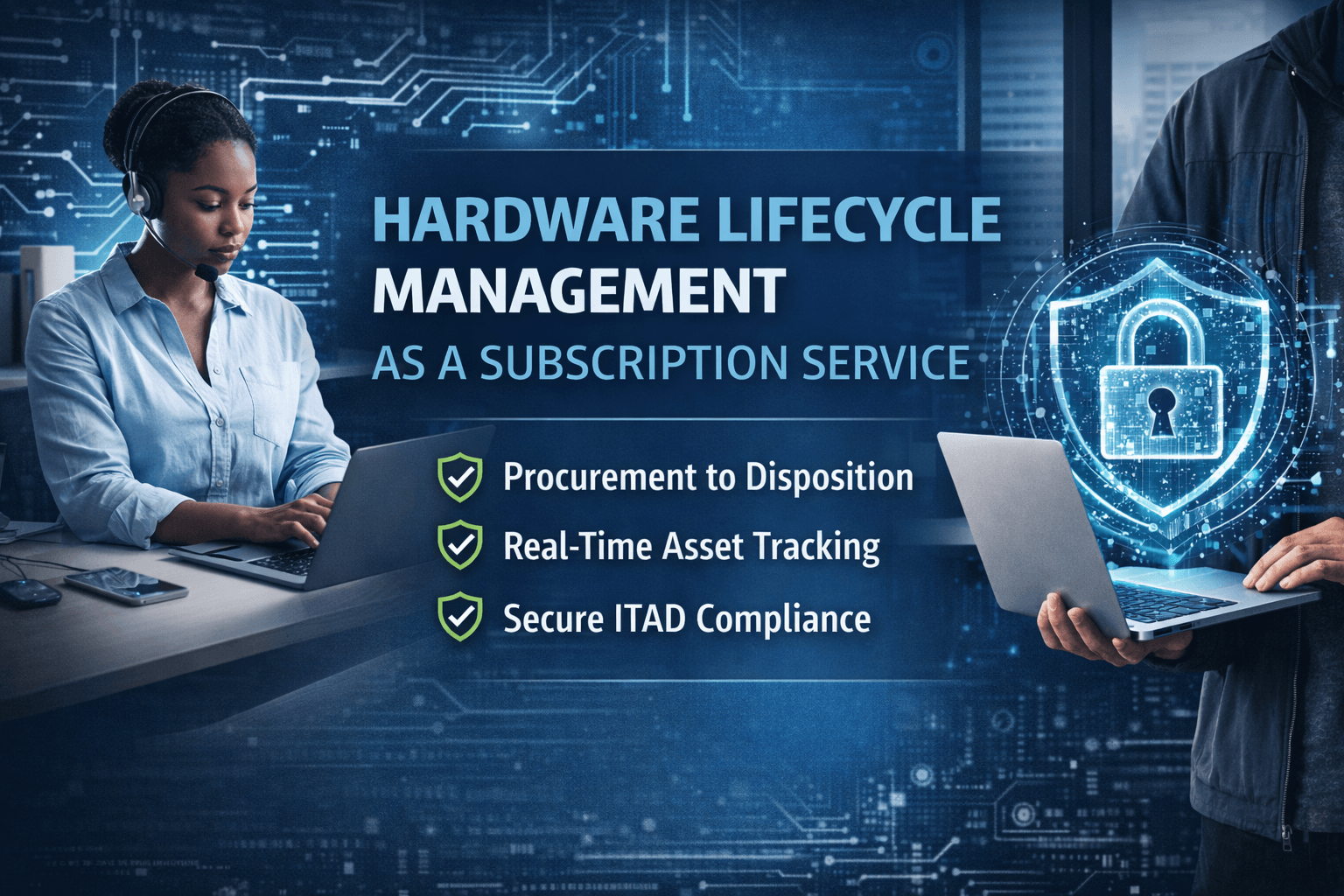
As businesses shift toward more predictable and scalable models, Hardware Lifecycle Management (HLM) as a Subscription Service is emerging as a transformative solution. By combining asset visibility, proactive maintenance, secure disposition, and financial predictability into a single service model, organizations can modernize how they manage IT assets while reducing risk and improving performance.
This blog explores how subscription-based hardware lifecycle management is reshaping IT operations, why organizations are adopting this model, and how it aligns with modern compliance, security, and sustainability expectations.
What Is Hardware Lifecycle Management as a Subscription?
Hardware Lifecycle Management as a Subscription is a service model in which organizations outsource the end-to-end management of their IT assets to a specialized provider. Instead of handling procurement, tracking, maintenance, and disposal independently, businesses pay a recurring fee for a comprehensive, managed solution.
This model typically includes:
- Asset procurement and deployment
- Inventory tracking and lifecycle visibility
- Maintenance and support
- Upgrade planning and refresh cycles
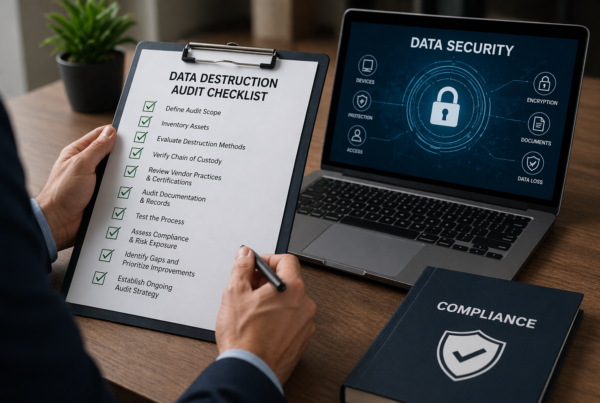
- Secure IT asset disposition (ITAD)
- Data destruction and compliance documentation
Rather than treating hardware as a static capital expense, organizations shift toward an operational expense model that emphasizes flexibility, scalability, and continuous optimization.
The Problem with Traditional Hardware Management
For many organizations, hardware lifecycle management remains fragmented across multiple departments, vendors, and systems. This decentralized approach creates several critical challenges:
1. Limited Visibility
Without a centralized system, businesses often lack real-time visibility into their hardware inventory. This leads to underutilized assets, duplicate purchases, and difficulty tracking devices across their lifecycle.
2. Security Risks
Improper handling of end-of-life devices can expose sensitive data. Without standardized data destruction protocols and chain-of-custody tracking, organizations risk data breaches and compliance violations.
3. Unpredictable Costs
Traditional procurement models require large upfront investments and irregular refresh cycles, making budgeting difficult and often leading to outdated equipment remaining in use longer than intended.
4. Compliance Gaps
With evolving standards such as R2v3 and increasing regulatory scrutiny, organizations must maintain detailed documentation of how assets are handled, especially during disposal. Many businesses struggle to meet these requirements consistently.
5. Operational Inefficiencies
Managing vendors, coordinating logistics, and handling asset tracking internally consumes valuable time and resources that could be better spent on strategic initiatives.
Why Subscription-Based Lifecycle Management Is Gaining Momentum
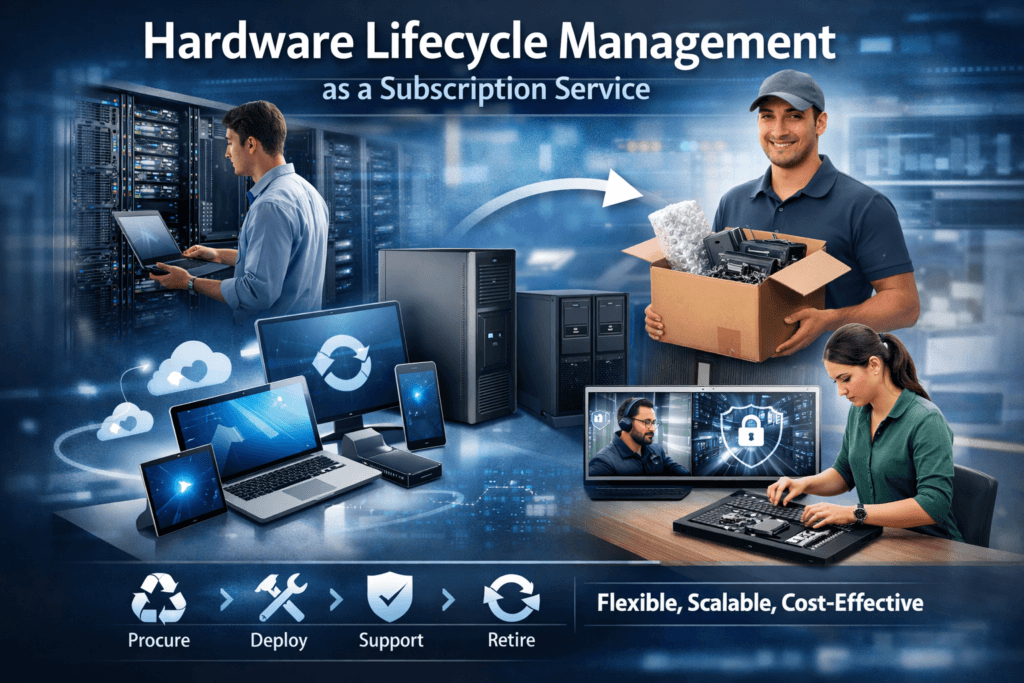
The subscription economy has transformed industries ranging from software to transportation, and IT hardware is no exception. Organizations are increasingly adopting subscription-based lifecycle management for several key reasons:
Predictable Financial Planning
A subscription model converts large capital expenditures into predictable monthly or annual costs. This allows organizations to forecast budgets more accurately and avoid unexpected expenses related to hardware failures or emergency replacements.
Scalability and Flexibility
As businesses grow or adapt to changing needs, subscription services allow them to scale hardware resources up or down without significant disruption. This is particularly valuable for organizations with hybrid or remote workforces.
Proactive Lifecycle Management
Instead of reacting to hardware failures, subscription services emphasize proactive monitoring, maintenance, and timely upgrades. This reduces downtime and ensures that employees always have access to reliable, high-performing equipment.
Integrated Security and Compliance
Modern lifecycle management services incorporate secure data destruction, audit-ready documentation, and adherence to standards such as R2v3. This ensures that organizations remain compliant while minimizing risk.
Key Components of a Subscription-Based HLM Model
To fully understand the value of this approach, it is important to examine the core components that define a successful hardware lifecycle management subscription.
1. Asset Procurement and Standardization
Subscription providers often work closely with organizations to standardize hardware across the enterprise. This simplifies management, reduces compatibility issues, and streamlines support processes.
By leveraging vendor relationships and purchasing power, providers can also secure better pricing and ensure that organizations receive high-quality equipment tailored to their needs.
2. Real-Time Asset Tracking and Visibility
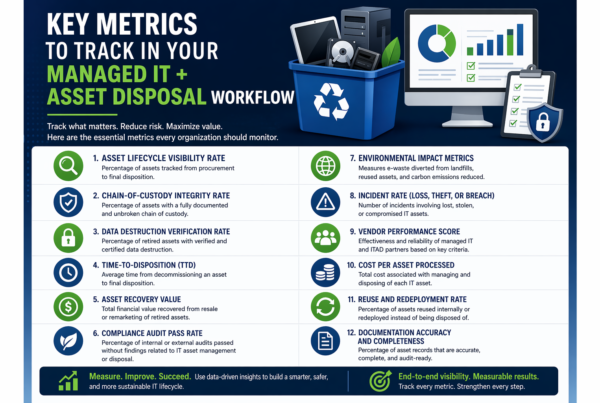
A central feature of subscription-based lifecycle management is the ability to track assets in real time. This includes:
- Device location
- Usage status
- Performance metrics
- Lifecycle stage
This level of visibility enables better decision-making, reduces asset loss, and ensures that resources are allocated efficiently.
3. Maintenance and Support
Ongoing maintenance is critical to extending the lifespan of hardware and minimizing disruptions. Subscription services typically include:
- Preventive maintenance
- Remote monitoring
- Help desk support
- Rapid replacement services
By addressing issues before they escalate, organizations can maintain productivity and reduce the total cost of ownership.
4. Refresh and Upgrade Planning
Technology evolves rapidly, and outdated hardware can hinder performance and security. Subscription-based models include structured refresh cycles that ensure devices are replaced or upgraded at the right time.
This eliminates the guesswork associated with traditional refresh planning and ensures that organizations remain competitive.
5. Secure IT Asset Disposition (ITAD)
One of the most critical aspects of lifecycle management is the secure disposal of retired assets. Subscription services integrate ITAD into the lifecycle, ensuring that devices are handled responsibly and securely.
Key elements include:
- Certified data destruction
- Full chain-of-custody tracking
- Verified downstream processing
- Audit-ready reporting
This aligns with modern standards such as R2v3 and helps organizations mitigate data security risks.
6. Sustainability and Circular Economy Integration
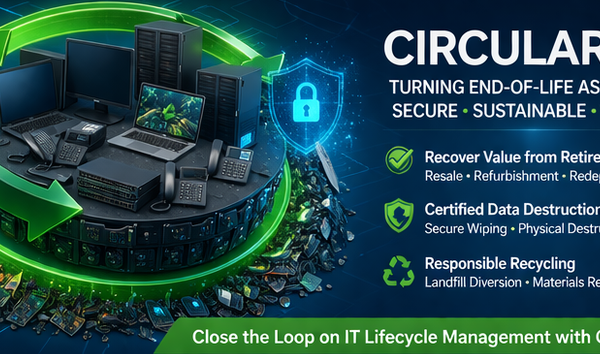
Sustainability is no longer optional. Subscription-based lifecycle management supports environmental goals by:
- Prioritizing reuse and refurbishment
- Reducing electronic waste
- Supporting responsible recycling practices
This not only benefits the environment but also enhances an organization’s ESG profile.
Business Benefits of HLM as a Subscription
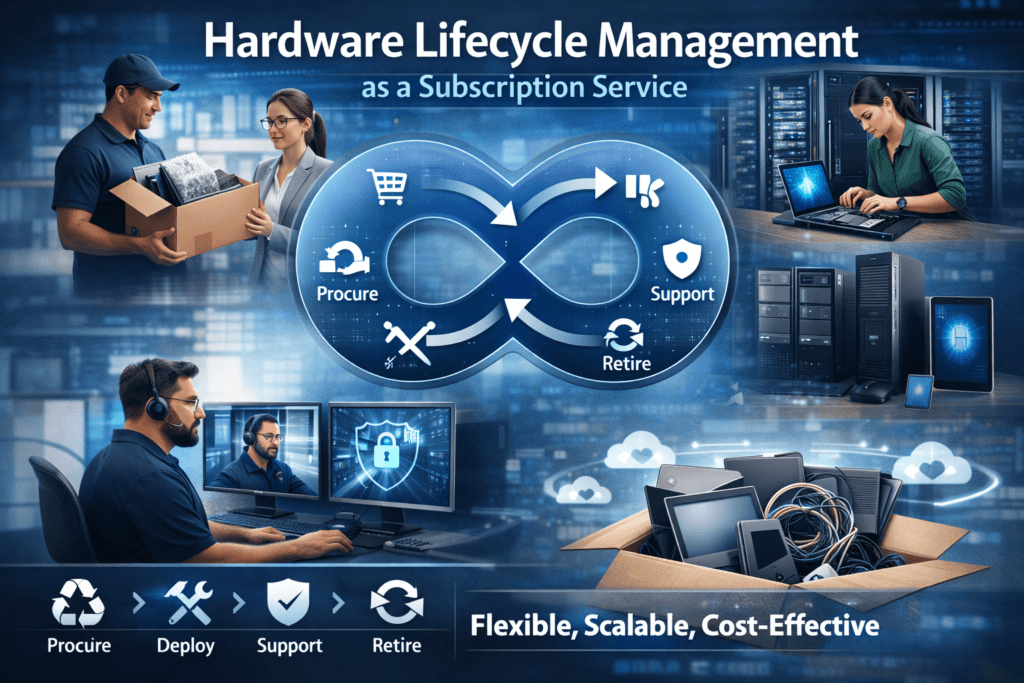
Organizations that adopt this model often experience significant advantages across multiple areas:
Enhanced Security Posture
By integrating secure data destruction and standardized processes, businesses reduce the risk of data breaches associated with retired hardware.
Improved Operational Efficiency
Outsourcing lifecycle management frees internal teams to focus on strategic initiatives rather than administrative tasks.
Cost Optimization
Predictable pricing and optimized asset utilization lead to lower overall costs and better financial planning.
Audit Readiness
With built-in documentation and compliance support, organizations are better prepared for audits and regulatory reviews.
Employee Productivity
Reliable, up-to-date hardware ensures that employees can perform their tasks without interruption.
How HLM as a Subscription Aligns with R2v3 and Modern Compliance Standards
The introduction of R2v3 has significantly raised expectations for IT asset disposition and data security. Organizations are now required to demonstrate greater accountability throughout the lifecycle of their hardware.
Subscription-based lifecycle management aligns with these requirements by:
- Providing documented data destruction processes
- Ensuring transparency across the downstream vendor chain
- Maintaining detailed records for audits and compliance reporting
This proactive approach helps organizations stay ahead of regulatory changes and avoid costly penalties.
Challenges to Consider
While the benefits are substantial, organizations should also consider potential challenges when transitioning to a subscription model:
Vendor Selection
Choosing the right provider is critical. Organizations must evaluate vendors based on their certifications, capabilities, and track record.
Integration with Existing Systems
Implementing a new lifecycle management system may require integration with existing IT and asset management platforms.
Change Management
Shifting from a traditional model to a subscription-based approach requires organizational buy-in and clear communication.
Choosing the Right HLM Partner
Selecting a reliable partner is essential to maximizing the value of a subscription-based lifecycle management model. Organizations should look for providers that offer:
- R2v3 certification and compliance expertise
- Transparent processes and reporting
- End-to-end lifecycle coverage
- Strong data security protocols
- Proven experience in IT asset disposition
A trusted partner will not only manage assets but also act as a strategic advisor in optimizing IT operations.
The Future of Hardware Lifecycle Management
As technology continues to evolve, the demand for efficient, secure, and sustainable hardware management will only increase. Subscription-based lifecycle management represents the future of IT operations, offering a scalable and integrated approach that aligns with modern business needs.
Emerging trends include:
- Increased automation and AI-driven asset tracking
- Greater emphasis on sustainability and circular economy practices
- Enhanced integration with cybersecurity frameworks
- Expansion of as-a-service models across IT infrastructure
Organizations that adopt this model early will be better positioned to adapt to these changes and maintain a competitive edge.
Conclusion
Hardware Lifecycle Management as a Subscription Service is more than just a trend. It is a strategic shift in how organizations manage their IT assets. By combining visibility, security, compliance, and financial predictability into a single solution, this model addresses the challenges of traditional hardware management while unlocking new opportunities for efficiency and growth.
As standards like R2v3 continue to raise expectations for data security and accountability, businesses must rethink their approach to IT asset disposition and lifecycle management. Subscription-based solutions provide a clear path forward, enabling organizations to reduce risk, optimize resources, and build a more sustainable and secure IT environment.