


Why LTO Cleaning Barcode Labels Matter More Than You Think
Linear Tape-Open (LTO) technology remains a trusted backbone for long-term data storage, backup, and archival in enterprise environments. While most IT teams focus on tape generations, drive compatibility, and data security, one small detail is often overlooked: LTO cleaning barcode labels.
These labels play a critical role in keeping tape libraries operating smoothly. Without proper cleaning cartridge labeling, tape drives can suffer from read/write errors, reduced lifespan, and unexpected downtime. For organizations managing compliance-driven data environments, even minor performance issues can quickly become operational or regulatory risks.
This guide explains what LTO cleaning barcode labels are, how they work, and best practices for managing them in modern data centers.
What Are LTO Cleaning Barcode Labels?
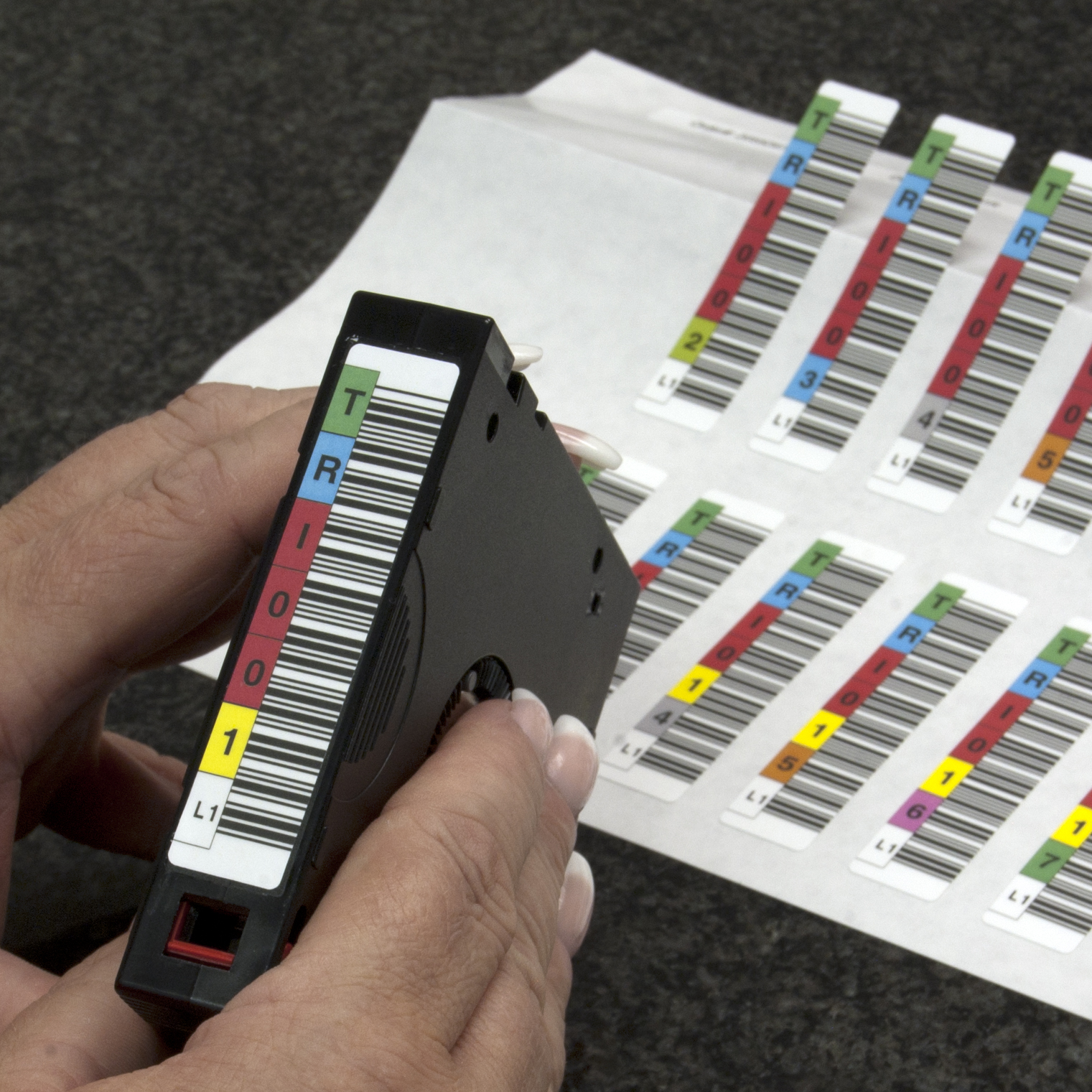
LTO cleaning barcode labels are specialized barcode identifiers applied to LTO cleaning cartridges. These labels allow automated tape libraries to recognize a cartridge as a cleaning tape rather than a data tape.
When correctly labeled, the tape library:
Automatically inserts the cleaning cartridge when required
Tracks cleaning cycles and usage limits
Prevents accidental overwriting or misuse
Most enterprise libraries rely on barcode recognition rather than manual intervention. Without a proper cleaning barcode label, a cleaning cartridge may be ignored entirely or, worse, mishandled by the system.
How LTO Cleaning Barcode Labels Work in Tape Libraries
Modern tape libraries use barcode scanners to identify cartridges as they are loaded into slots. The barcode communicates key information to the library’s management software, including cartridge type and function.
Cleaning barcode labels typically:
Follow vendor-specific formatting conventions
Are visually distinct from data tape labels
Are recognized automatically by library firmware
Once scanned, the system schedules cleaning cycles based on drive usage or performance alerts. This automation reduces human error and ensures consistent maintenance across large tape environments.
Why Proper Cleaning Labeling Is Critical for Tape Drive Health
Tape drives are precision devices. Over time, dust, debris, and residue can accumulate on read/write heads. If cleaning cycles are skipped or delayed due to improper labeling, the results can include:
Increased read/write errors
Failed backups or restores
Premature tape and drive wear
Costly hardware replacements
Properly labeled cleaning cartridges help extend the lifespan of both tape drives and data cartridges while maintaining predictable system performance.
Common Problems Caused by Incorrect or Missing Barcode Labels
Many organizations unknowingly operate tape libraries with poorly labeled or unlabeled cleaning cartridges. Common issues include:
Library does not recognize cleaning media
Manual cleaning required, increasing labor and risk
Cleaning cartridges used past recommended limits
Unexpected drive errors blamed on data tapes
These issues often surface during audits, disaster recovery testing, or high-pressure restore events—exactly when reliability matters most.
Best Practices for Managing LTO Cleaning Barcode Labels
To maintain a healthy tape environment, follow these proven best practices:
1. Use Vendor-Compatible Barcode Formats
Ensure cleaning labels match the formatting standards supported by your tape library and drives. Incompatible formats may not be recognized.
2. Clearly Separate Cleaning and Data Media
Store cleaning cartridges in designated slots and use visually distinct barcode labels to avoid confusion during handling.
3. Track Cleaning Cartridge Usage
Cleaning cartridges have limited use cycles. Barcode tracking allows libraries to retire cartridges before they become ineffective.
4. Replace Worn or Damaged Labels
Faded, peeling, or damaged barcode labels can cause misreads. Replace labels immediately to avoid operational issues.
5. Maintain Documentation
Keep records of cleaning schedules, cartridge usage, and replacements as part of your overall data storage governance strategy.
LTO Cleaning Labels and Compliance Considerations
In regulated industries, proper maintenance of storage infrastructure supports compliance with data integrity and availability requirements. While cleaning labels are not a compliance control by themselves, they directly support:
Consistent backup and restore operations
Reduced risk of data corruption
Demonstrable maintenance procedures during audits
Organizations following best practices outlined by groups such as the LTO Consortium benefit from predictable performance and longer asset lifecycles.
When to Replace or Retire LTO Cleaning Cartridges
Most LTO cleaning cartridges are designed for a limited number of cleaning cycles. Tape libraries typically track usage automatically when barcode labels are correctly applied.
Replace cleaning cartridges when:
The library flags the cartridge as expired
Cleaning cycles no longer resolve drive errors
The cartridge reaches its manufacturer-recommended limit
Continuing to use expired cleaning media can cause more harm than good.
Secure Disposal of Used LTO Cleaning Media
Although cleaning cartridges do not store user data, they should still be disposed of responsibly. Many organizations include cleaning tapes in their broader IT asset disposition (ITAD) processes to ensure:
Secure handling
Environmentally responsible recycling
Proper documentation
Working with an experienced ITAD provider ensures all tape media—data or cleaning—is managed professionally from deployment through end-of-life.
Why Expertise Matters in Tape Media Management
LTO environments are complex, and small oversights can lead to large operational issues. Understanding details like cleaning barcode labels demonstrates a mature, well-managed data infrastructure.
At DES Technologies, we’ve supported enterprise storage environments for decades, helping organizations maintain, upgrade, and responsibly retire tape media and data center assets with confidence.
Final Thoughts
LTO cleaning barcode labels may seem like a minor detail, but they play a major role in tape library performance, reliability, and longevity. Proper labeling ensures automated cleaning, protects valuable hardware, and supports consistent data operations.
By following best practices and working with experienced professionals, organizations can avoid preventable issues and keep their LTO environments running smoothly for years to come.


