California ITAD Best Practices
Meeting R2v3, ISO, and E Waste Requirements
In today’s digital economy, organizations replace and retire technology faster than ever before. Servers, laptops, hard drives, mobile devices, and networking equipment cycle through business environments at an accelerated pace. While new technology drives productivity, the disposal of outdated equipment introduces serious risks related to data security, environmental compliance, and regulatory exposure.
For organizations operating in California, these risks are amplified by some of the strictest environmental and data protection regulations in the United States. Improper disposal of IT assets can lead to regulatory penalties, environmental harm, and major data breaches. As a result, businesses must adopt structured IT Asset Disposition (ITAD) programs that follow recognized global standards and California specific compliance requirements.
This is where frameworks such as R2v3 certification, ISO management standards, and California e waste laws come into play. Together they form the foundation of responsible, compliant, and secure IT asset disposal.
This guide explores best practices for meeting California ITAD requirements while aligning with R2v3 certification, ISO standards, and state e waste regulations.
Why IT Asset Disposition Matters More Than Ever
Every organization eventually faces the challenge of disposing of outdated technology. The problem is not simply removing old hardware from an office. That equipment often contains sensitive information including customer data, financial records, employee information, intellectual property, and confidential communications.
Even when files are deleted, the underlying data may remain recoverable if the device is not properly sanitized or destroyed.
Improper disposal creates three major risks.
Data Security Risk
Hard drives, SSDs, mobile devices, and servers may still contain recoverable information. If equipment is resold, recycled, or discarded without proper data destruction, organizations risk major data breaches.
Environmental Risk
Electronic equipment contains hazardous materials such as lead, mercury, and cadmium. Improper disposal can contaminate soil and water, creating environmental and legal liabilities.
Regulatory and Legal Risk
Organizations must comply with state and federal regulations governing electronic waste and data protection. Failure to do so can lead to fines, lawsuits, and reputational damage.
Because of these risks, IT asset disposition must be treated as a structured compliance process rather than a simple recycling task.
Understanding California’s Strict E Waste Regulations
California has some of the most advanced electronic waste regulations in the United States. The state’s policies are designed to prevent toxic materials from entering landfills and to promote responsible recycling practices.
The foundation of California’s e waste program comes from the Electronic Waste Recycling Act.
Key Requirements of California E Waste Laws
Organizations must ensure that electronic waste is handled by authorized recyclers.
Covered electronic devices cannot be disposed of in landfills.
Recyclers must follow strict environmental handling standards.
Materials must be tracked and processed responsibly.
Failure to follow these regulations can result in significant fines and environmental penalties.
California’s approach emphasizes accountability throughout the recycling chain. Businesses must be able to demonstrate that their retired equipment is handled responsibly from pickup to final processing.
This is why many organizations partner with certified ITAD providers that meet internationally recognized standards.
The Role of R2v3 Certification in ITAD
Responsible Recycling version 3, commonly referred to as R2v3, is one of the most widely recognized certifications for electronics recycling and IT asset disposition.
The standard was developed to ensure responsible reuse and recycling of electronics while protecting data security and environmental safety.
Key Objectives of R2v3
Protect sensitive data during device disposal

Ensure environmentally responsible recycling practices
Promote reuse of functional equipment
Prevent export of hazardous electronic waste to developing countries
Provide transparency and accountability across the recycling chain
For organizations, working with an R2v3 certified ITAD provider ensures that electronic equipment is handled according to globally recognized best practices.
Data Security Requirements Under R2v3
One of the most important components of R2v3 certification is secure data sanitization. Certified providers must follow strict procedures for removing or destroying data stored on devices.
Approved methods include
Software based data wiping
Cryptographic erasure
Physical destruction such as shredding
Verification and documentation of data destruction
These requirements ensure that sensitive information cannot be recovered after equipment leaves the organization.
ISO Standards That Support ITAD Compliance
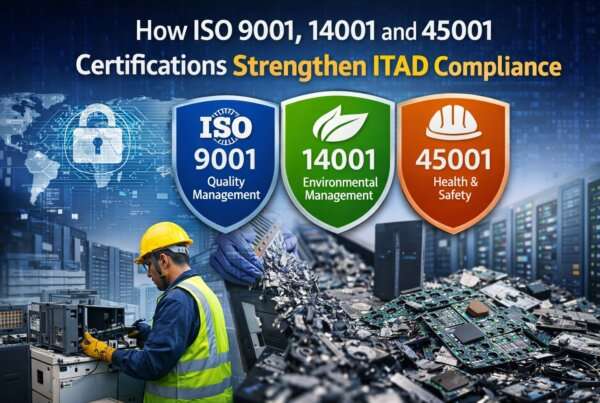
In addition to R2v3 certification, many ITAD providers follow internationally recognized ISO management standards. These frameworks help ensure that IT asset disposition processes are consistent, secure, and auditable.
ISO 14001 Environmental Management
ISO 14001 focuses on environmental responsibility and sustainable practices.
For ITAD providers, this standard ensures
Proper handling of hazardous materials
Minimization of environmental impact
Responsible recycling processes
Compliance with environmental regulations
Organizations working with ISO 14001 certified partners can demonstrate strong environmental stewardship.
ISO 27001 Information Security
ISO 27001 is the global standard for information security management systems.
For ITAD operations, ISO 27001 ensures
Secure handling of devices containing sensitive data
Controlled access to data destruction processes
Risk management procedures
Continuous monitoring and improvement of security practices
This certification is particularly important for organizations handling sensitive information such as healthcare providers, financial institutions, and government agencies.
ISO 45001 Workplace Safety
Electronic recycling facilities involve heavy equipment and industrial processes. ISO 45001 ensures that worker safety is prioritized through structured occupational health and safety management systems.
This certification protects employees while also improving operational reliability.
Chain of Custody and Asset Tracking
One of the most critical ITAD best practices is maintaining a documented chain of custody for all equipment being disposed of.
A chain of custody provides a verifiable record of where devices have been and who has handled them at every stage of the process.
Why Chain of Custody Matters
Without a documented chain of custody, organizations lose visibility once equipment leaves their facility. This creates uncertainty about where the equipment goes and how it is processed.
A strong ITAD process includes
Asset tagging and inventory tracking
Secure transportation procedures
Verified receipt at processing facilities
Documented data destruction
Final recycling or remarketing records
Maintaining this documentation protects organizations during regulatory audits and internal compliance reviews.
Data Destruction Best Practices
Secure data destruction is one of the most important aspects of IT asset disposition. Even a single improperly handled device can lead to a major security incident.
Best Practice Data Destruction Methods

Certified data wiping using approved software
Cryptographic erasure for encrypted devices
Physical shredding of storage media
Verification testing to confirm data removal
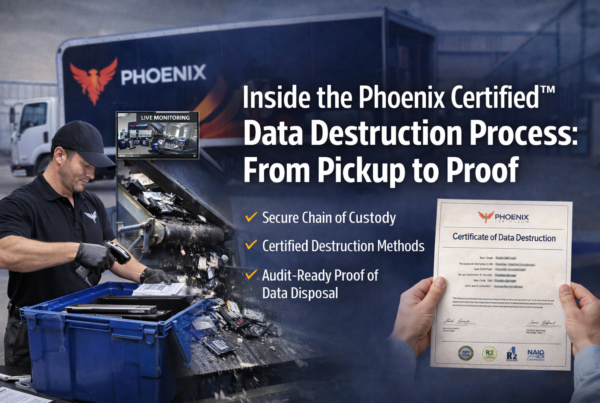
Documentation through destruction certificates
Organizations should require formal Certificates of Data Destruction after devices are processed. These certificates serve as proof that sensitive data has been securely removed.
Responsible Equipment Remarketing
Not all retired equipment needs to be destroyed. In many cases, devices still retain significant value.
Responsible remarketing allows organizations to extend the life cycle of equipment through refurbishment and resale.
Benefits include
Reducing environmental waste
Recovering residual asset value
Supporting circular technology practices
Lowering overall IT lifecycle costs
R2v3 certified ITAD providers carefully evaluate equipment to determine whether it can be safely refurbished and reused.
However, remarketing is only appropriate once all data has been securely removed.
Environmental Sustainability in ITAD
Electronic waste is one of the fastest growing waste streams in the world. Improper disposal contributes to environmental pollution and resource depletion.
Responsible IT asset disposition focuses on sustainability through
Recycling valuable materials such as copper, aluminum, and rare earth metals
Reducing landfill waste
Supporting reuse and refurbishment
Preventing export of hazardous materials
California’s environmental regulations strongly encourage these sustainable practices.
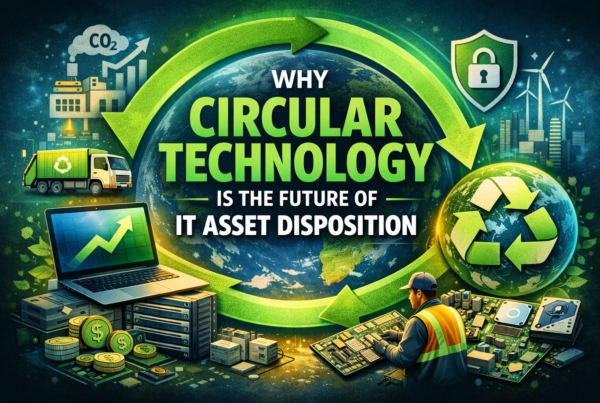
Organizations that follow responsible ITAD processes contribute to a circular technology economy where materials are reused rather than discarded.
Preparing for ITAD Audits and Compliance Reviews
Many organizations undergo regular audits related to environmental compliance, data protection, and corporate governance.
A well structured ITAD program helps demonstrate compliance with regulatory requirements.
Documentation Organizations Should Maintain
Asset inventories for retired equipment
Data destruction records
Certificates of recycling and destruction
Vendor certifications such as R2v3 and ISO
Chain of custody documentation
Having these records readily available simplifies audit processes and reduces compliance risks.
Choosing the Right ITAD Partner
Selecting a qualified IT asset disposition partner is one of the most important decisions organizations can make.
Not all recyclers follow the same standards, and using an uncertified vendor can create significant compliance risks.
What to Look For in an ITAD Provider
R2v3 certification
ISO certifications for environmental and information security management
Secure chain of custody procedures
Transparent recycling and remarketing processes
Detailed reporting and documentation
Clear data destruction verification
Organizations operating in California should prioritize providers that understand the state’s regulatory environment and maintain multiple certifications.
The Future of IT Asset Disposition
Technology lifecycles continue to shorten as innovation accelerates. This trend will increase the volume of retired electronic equipment in the coming years.
At the same time, regulatory scrutiny around data protection and environmental responsibility will continue to grow.
Organizations that adopt structured ITAD programs today will be better positioned to manage these challenges.
Future trends in IT asset disposition include
Greater adoption of circular technology practices
Increased regulatory oversight of electronic waste
More advanced data destruction technologies
Greater transparency in recycling supply chains
Stronger integration between sustainability initiatives and IT lifecycle management
Businesses that embrace these practices will not only reduce risk but also demonstrate leadership in environmental responsibility and data security.
Final Thoughts
California’s regulatory landscape requires organizations to take IT asset disposition seriously. Simply discarding outdated technology is no longer acceptable from a compliance, security, or environmental perspective.
By following best practices aligned with R2v3 certification, ISO management standards, and California e waste laws, businesses can build responsible and secure ITAD programs.
These practices protect sensitive data, reduce environmental impact, and ensure regulatory compliance while supporting sustainable technology lifecycles.
For organizations managing large volumes of IT equipment, partnering with a certified ITAD provider is the most effective way to ensure that retired technology is handled safely, securely, and responsibly from pickup to final processing.