Multi-Jurisdictional ITAD Compliance: Navigating Complex Regulations in Global Asset Disposition
In today’s interconnected world, IT assets often move across borders before reaching their final destination. Whether you’re decommissioning servers, recycling laptops, or reselling storage equipment, one challenge remains constant—compliance with diverse regulations. The complexity only grows when these assets cross multiple jurisdictions, each with its own laws on data security, privacy, and environmental responsibility.
For organizations with global or multi-state operations, multi-jurisdictional ITAD compliance is not optional—it’s essential. Failure to comply can result in steep penalties, data breaches, and reputational damage.
What is Multi-Jurisdictional ITAD Compliance?
Multi-jurisdictional ITAD compliance refers to adhering to the varying regulations that govern IT asset disposition across different legal environments—whether that’s international, federal, state, or industry-specific.
This includes:
Data protection laws like GDPR (Europe), HIPAA (U.S. healthcare), or CCPA (California).
Environmental regulations such as the EU’s WEEE Directive, the U.S. EPA standards, or state-specific e-waste recycling laws.
Industry frameworks like NIST 800-88 for data destruction.
The challenge lies in ensuring your ITAD practices align with all relevant requirements simultaneously.

Key Challenges of Multi-Jurisdictional Compliance
1. Evolving Data Privacy Laws
Privacy regulations are rapidly changing. For example, GDPR in Europe sets stringent requirements for data erasure, while U.S. states like California and Virginia have enacted their own data privacy laws. A “one-size-fits-all” approach doesn’t work.
2. Environmental Regulations Across Regions
One country may permit certain recycling practices while another requires certified facilities. Companies must avoid improper e-waste exports, which could result in fines or blacklisting.
3. Chain of Custody Complexity
Maintaining a verifiable, auditable record of IT assets becomes more complicated when equipment travels across jurisdictions. Without proper documentation, proving compliance is nearly impossible.
4. Vendor Variability
Not all ITAD vendors are certified to handle equipment in multiple regions. Partnering with a single vendor without global compliance capabilities can leave gaps in your security and sustainability efforts.
Best Practices for Multi-Jurisdictional ITAD Compliance
1. Adopt a Compliance-First Framework
Leverage recognized global standards such as:
NIST 800-88 for secure data sanitization
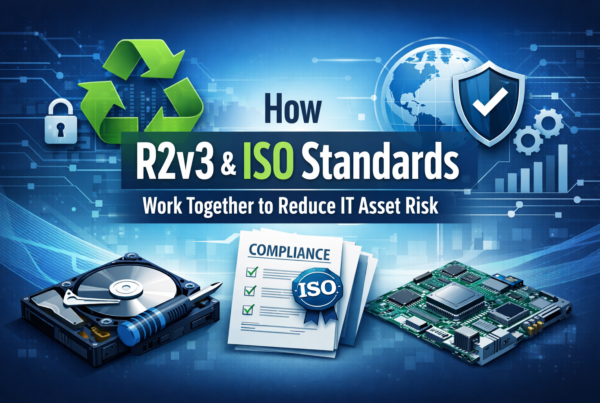
R2v3 Certification for responsible recycling
ISO 9001, 14001, and 45001 for quality, environmental, and safety management
By aligning with international frameworks, you reduce the risk of non-compliance.

2. Implement Secure Chain of Custody
From pickup to final destruction or resale, every asset must be tracked with clear documentation. A Phoenix Certified™ Chain-of-Custody, for example, ensures complete transparency and accountability.
3. Conduct Regular Audits
Internal and third-party audits help verify that ITAD processes meet jurisdictional requirements. They also provide proof of compliance in case of a legal or regulatory inquiry.
4. Partner with a Global ITAD Provider
Choose an ITAD partner with proven multi-jurisdictional expertise. DES Technologies, for instance, ensures that all equipment is processed in full compliance with local, federal, and international regulations.
5. Stay Ahead of Regulatory Changes
Regulations evolve quickly. Establish a compliance team or work with an ITAD provider that proactively monitors and adjusts processes as laws change.
Why Multi-Jurisdictional Compliance Protects Your Business
Avoid Fines & Legal Risks: Non-compliance can result in millions in penalties.
Protect Brand Reputation: Demonstrating environmental and data protection responsibility builds trust with customers and stakeholders.
Enhance Sustainability Goals: Proper recycling and responsible reuse align with ESG initiatives.
Ensure Data Security: Eliminating risks of data leakage or unauthorized access safeguards sensitive business and customer information.
How DES Technologies Supports Compliance
At DES Technologies, we specialize in navigating the complex web of multi-jurisdictional ITAD compliance. Our services include:
Certified data destruction that meets NIST 800-88 and global standards.
R2v3, ISO, and NAID-compliant recycling and data erasure.
Full-service logistics and secure chain of custody documentation.
Tailored solutions for organizations operating across states or international borders.
We understand that compliance is not just about avoiding risk—it’s about creating a secure, sustainable, and responsible IT lifecycle strategy.
Turning Compliance Into Competitive Advantage
While multi-jurisdictional ITAD compliance may seem like a burden, it’s also an opportunity. By ensuring your IT asset disposition practices are aligned with global standards, you can strengthen security, enhance sustainability, and build trust with customers.
DES Technologies is here to help your organization confidently manage IT assets across every jurisdiction. Contact us today for a free consultation and take the first step toward compliance-driven ITAD.